
Links to vets in Guernsey
Local useful links
Website donated by:
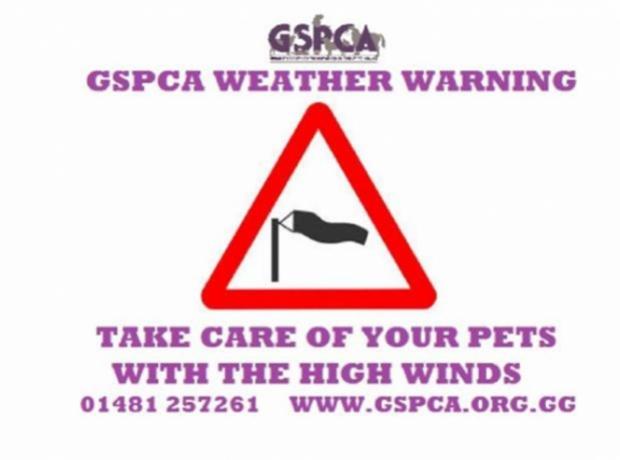
The GSPCA asks that you think of your animals with the extreme high winds due.
Bad weather means it is difficult for hedgehogs and wild birds to feed normally, and young seal pups can easily be separated from their mothers.
Also we have to ensure our pets are safe and we must think of those that live outside if they are safe and if any precautions need to be taken.
Steve Byrne GSPCA Manager said "With high winds heading our way in Guernsey many wild animals and birds find it difficult to find food and can easily be injured and we are preparing our Animal Shelter site and the animals in our care for the challenges we could face."
"High winds can separate seal pups from their mothers, but the coast is a dangerous place so if you are concerned about a seal pup or injured wild animal please do call us at the GSPCA on 01481 257261."
“It is extremely important with the high winds and stormy tides not to put yourself at risk but to call us for advice whether around the coast or inland.”
"Owners of pets and animals that are kept outdoors need to ensure their animals are safe and have adequate shelter and provisions and where possible please do bring them inside if you are able to do so."
“You might need to think about keeping your cats indoors and taking care to ensure you walk you dog when the wind drops.”
“Animals living out in fields may also need to be brought indoors and wherever possible ensure they have safe shelter.”
“We can all do our bit for wildlife and our own pets to keep them safe when the winds are high as it can pose a real danger.”
“If you find injured wildlife sick or injured we have plenty of advice online or call us on 257261.”
For further wildlife advice please click here.
Below is some advice on what you can do if you find an injured animal, but please remember we have a 24 hour emergency service and our number is 01481 257261 and please do not put yourself at risk.
If possible, contain the animal before calling - see our capture and boxing advice below.
Capture and boxing
If it's safe to catch and contain the animal this should be done very carefully. Make sure you use gloves and keep the animal away from your face. A secure cardboard box with ventilation holes and lined with a towel or newspaper is ideal. Keep the contained animal as quiet as possible and either take it to a vet, to the Animal Shelter, or call us on 01481 257261.
Caution!
Handling any animal - whether it is domestic, wild, dead or alive - is potentially hazardous. Obvious dangers include bites, scratches and general hygiene issues such as disease transmission.
Whenever handling wild animals you should wear gloves and hold the animal away from your face and those of others. Holding at a distance is especially important with sea birds as they often peck toward eyes so glasses or goggles can be useful. With birds of prey they have especially strong claws so using a towel or piece of clothing is best to prevent injury to your hands.
Always use common sense and, if unsure, seek additional advice or assistance. Personal hygiene should be taken into consideration after handling any animal.
I have found an injured…
animal by the side of the road -
This can be a very dangerous situation. Don’t do anything that will put you or anyone else at risk. If you can, watch the animal from a distance. Try to see whether it’s still alive. If the animal moves away, watch where it goes. Don’t try and stop it – it will be very stressed and might cause you or itself further injury. If safe to do so, pick the animal up and contain it as described above. If the animal is alive but you can't contain it, call the GSPCA to report your location.
animal on the beach -
If you find an oiled bird and it is safe to pick it up, make sure you're wearing gloves - not only can the bird injure you but the oil could be hazardous to your health. See our capture and boxing advice above.
If the animal is a seal or whale, don't get too close and follow the advice below for seals. It is rare for us but if you see a whale please call us immediately.
animal in a snare or trap -
As upsetting as this situation is, never try and free the animal yourself. You might hurt yourself or the animal even more, and may actually commit an offence if the snare has been legally set. Stay well back to avoid stressing the animal further and call us to report the animal’s location. If you happen to have a camera with you, it would also be useful to take some photographs of the scene.
animal tangled up in fishing line -
Don’t try and free the animal yourself – you could end up hurting it even more. Call us and report the animal’s location. If there are people responsible for the site, let them know so they can clear up the litter.
bird in my garden -
Unfortunately cats kill many wild animals every year, especially young birds. Birds that have been caught by cats are often found on the ground and may not show any obvious injuries. However, wounds can become infected so the bird will need veterinary treatment. See our capture and boxing advice above.
Another common cause of injuries is birds flying into windows. Unfortunately they don’t always see panes of glass but you can help by putting bird of prey silhouettes on the windows. If you find a bird that you think has hit a window, it might need veterinary treatment. Sometimes though, they are just stunned and can recover on their own, given time. If there's no sign of recovery in a couple of hours or so, then you need to help. See our capture and boxing advice above.
Other causes of injury
Wires -
Some birds, like swans, can hit power lines because they don’t see them. Any bird that has hit a power line will need immediate treatment so call us. Other animals, can get trapped on wire fences. Don't try and untangle them yourself - let us know.
Litter -
Litter can pose a significant problem to wild animals that can get trapped or entangled. Sometimes it is a matter of freeing the individual and letting it go back to the wild but in some cases treatment and care is required. If this is the case, read our capture and boxing section above.
To help prevent animals from being injured by litter the GSPCA asks everyone to keep Guernsey tidy.
If You Spot A Hedgehog
I have found an injured / sick hedgehog, what should I do?
Make sure the animal is secure. (Tip: put a bucket or box over the hedgehog or it may be gone when you get back to it!). Find a box or container and line it with newspaper or an old towel. Using a pair of gloves gently pick up the hedgehog and put it in the box and cover it loosely with a towel or torn newspaper. Put the box somewhere safe and out of direct sunlight (but please ensure the hedgehog is kept warm as an ill hedgehog cannot generate heat for itself). If there is room in the box, you may put in a small dish / saucer of water, but do not feed the hedgehog. Then please either take it to the Animal Shelter, or call us on 01481 257261.
What if I see a hedgehog out during the day?
Hedgehogs are nocturnal; they should not be out during the day. If you see a hedgehog in the open during the day it is sick and needs immediate help (even if it just appears to be sleeping on your lawn / patio).
IF YOU SEE A HEDGEHOG OUT DURING THE DAY, SECURE IT (SEE ABOVE), THEN CONTACT OR BRING TO THE ANIMAL SHELTER IMMEDIATELY.
Crusty looking growth on hedgehogs (Mange)
Hedgehogs can be afflicted with mange. This is a crusty looking deposit on the hedgehog, often around the head / face and underside. It can appear that the hedgehog is going 'mouldy' or covered in dried mud. This is a reaction by the hedgehog to the parasitical mange mite. This condition will eventually kill the hedgehog as the encrustation restricts the hedgehog’s mobility. However, mange is a condition that is easily treated with medication.
It is important to spot and treat mange as early as possible. If you suspect a hedgehog might have mange, secure it, then contact or bring to the Animal Shelter immediately.
I have found a hedgehog that will not uncurl, is it dead?
During the winter you may find completely rolled up hedgehogs that will not uncurl. They may appear to be dead but can actually be in deep hibernation.
If You Spot A Seal Pup
If you find a seal pup that looks FIT AND HEALTHY and it shows no signs of distress, you may consider monitoring it from a safe distance for 24 hours. Unfortunately, too many seal pups get taken into captivity because people think they have been abandoned. If the mother does not return within 24 hours, we would ask you to contact 01481 257261.
A healthy pup looks like a big, stuffed maggot without a neck. However, a thin pup looks sleek (but not bony) and has a visible neck, like a healthy dog.
PLEASE DO NOT TOUCH THE SEAL. They can give a nasty bite, which will become infected by bacteria that live in a seal’s mouths.
Note: Do not allow dogs or other animals to harass a seal.
If a seal is scared back into the water, it could then be washed out to sea by strong currents and be lost. You should not put a seal pup back in the sea as it may get into difficulty.
If a seal pup is sick, thin or injured then we would ask you to contact our 24-hour cruelty and advice line
When reporting an injured, sick or abandoned seal to the GSPCA, please make sure you are able to supply the following information:
Caution:- Handling of any animal either domestic, wild, dead or alive may be potentially hazardous. Obvious dangers include bites, scratches and general hygiene issues. Common sense should be applied in all instances and, if unsure, seek additional advice or assistance. Personal hygiene should be taken into consideration after handling any animal, whether it’s domestic, wild, dead or alive.
For any questions please contact 01481 257261
Please remember and keep your animals and pets safe during the high winds, especially those that are kept outdoors.
Steve continued ”With these challenges and high winds there are many ways to support us like our BIGGEST ever project which is our BIG BUILD And to find out more please check out https://www.gspca.org.gg/blog/gspca-biggest-build-appeal.”
“Another way to support is our Wish List and to see more and again about the BIG BUILD please visit http://www.gspca.org.gg/about/our-plans-wish-list .“
“Maybe you’d like to volunteer and help animals to fund raising, admin to gardening and to volunteer check out http://www.gspca.org.gg/about/volunteers or to complete the volunteer application form please check out https://service.sheltermanager.com/asmservice?account=gspca&method=online_form_html&formid=14 .”
“For those from those want to give CSR time and skills to those wanting to help sponsor or support something from our Wish List we have this page with loads of info http://www.gspca.org.gg/about/our-plans-wish-list .”
“If your group or business would like to find out about spending a day at the Shelter please do check out http://www.gspca.org.gg/about/corporate-and-group-days “
“For other ways your business can help us here at the GSPCA please have a look at http://www.gspca.org.gg/about/how-your-business-can-help-gspca-corporate-sponsorship “
“We also have loads of ways to support us and to donate in this link including information on our BIGGEST BUILD appeal https://www.gspca.org.gg/page/gspca-celebrating-150-years .”
“To see a list of the many events coming up check out those below or on any of our latest blogs https://www.gspca.org.gg/blog “
“We couldn’t do so much without your support.”
To see events, ways to support and animals in need please see our latest blog https://www.gspca.org.gg/blog
Upcoming events
Steve continued “There are many ways to support the work of the GSPCA.”
“To visit our facebook page check out this link please click here .”
“To visit our x page please click here .”
“Thank you for your support.”




Post new comment