
Links to vets in Guernsey
Local useful links
Website donated by:
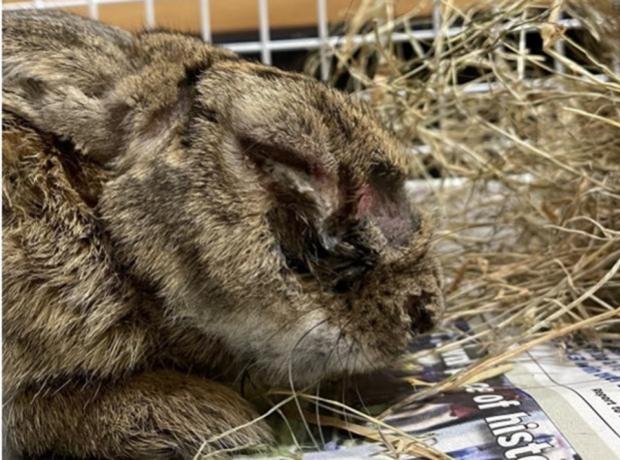
Myxomatosis killing hundreds of Guernsey rabbits and keeping your rabbits safe
The GSPCA wants to reinforce their recent message for all rabbits to take great care as Rabbit Haemorraghic Viral Disease (RHVD2) variant 2 are affecting our wild and domestic rabbits again here in Guernsey and a massive surge of rabbits with myxomatosis are being seen with the large numbers of rabbits around Guernsey.
These fatal diseases are a huge risk to unvaccinated rabbits and especially to those in outside enclosures.
The GSPCA helps over 500 wild and domestic rabbits every year and we want owners to ensure they protect their pets.
What is RHVD2?
RHVD2 is believed to be spread by parasites that feed on infected rabbits and pick it up and pass on during their life cycle to other rabbits that they feed on.
The “classic” RVHD has been present in the UK for decades, variant RHVD (also known as RHVD2 or RHDV variant) was first noted in 2010 in France, and has subsequently been identified in the UK.
This virus has some differences from the classic RVHD. In particularly it may affect rabbits of any age, as opposed to RVHD1, which is rarely if ever seen in rabbits under 8-10 weeks of age. It has also been reported that the variant gives rise to lower mortalities than classical RVHD, this is not necessarily borne out by reports, and this may be thought to be due to be the case due to its phylogenetic placement alongside non-pathogenic strains.
Mortality may vary from collection to collection, and possibly from breed to breed.
The GSPCA are urging rabbit owners and especially those that have rabbits living outside to speak to their vets about vaccinations to help protect their pets and ensure where possible they are away from any wild rabbits that may have access to your garden.
There are 4 vaccines available in the EU which have been licensed or are undergoing licensing for efficacy against RHVD2. Three of these vaccines (Filavac VHD K C+V, Cunivak RHD and Cunipravac RHD-2 Variant) now have a Special Import or Special Treatment Certificate from the Veterinary Medicines Directorate, on the basis of a clear need to do so given the current disease status.
Differences between RVHD and RVHD-2
Symptoms of RVHD-2
In the UK there have been a number of laboratory confirmed cases of RVHD-2 from Dorset to East Anglia in recent years. Several small outbreaks have been confirmed, as well as a large outbreak at the end of 2015 following a large rabbit show. There have also been unconfirmed reports based on clinical suspicion to detailed post mortems. The true number of deaths by RVHD-2 is harder to ascertain as many pet rabbits do not get taken to vets regularly if at all and many deaths go unreported.
What is myxomatosis?
Myxomatosis is a severe, usually fatal, viral disease. In some countries, it has been used as a way of reducing the number of wild rabbits. It first reached the UK in the 1950s and decimated the wild rabbit population at the time. The disease remains a risk today, to both wild and pet rabbits.
The acute form can kill a rabbit within 10 days and the chronic form within two weeks, although some rabbits do survive this.
How does myxomatosis spread?
Myxomatosis is spread easily between rabbits by blood-sucking insects, such as fleas, ticks, mites and mosquitoes. It spreads rapidly among wild rabbit populations and can easily be passed on to domestic rabbits in the vicinity by the parasites.
Myxomatosis is found throughout the UK and Guernsey.
What are the symptoms of myxomatosis?
Depending on the strain of the virus, it can take up to 14 days for an infected rabbit to begin to show symptoms. During the incubation period, a rabbit’s behaviour and eating habits may change. When the virus takes hold, the eyes, nose and genitals are usually the first parts of the body to be affected. Symptoms include:
How do I prevent my rabbit from getting myxomatosis?
The GSPCA advises you speak to your vet to get your rabbit vaccinated; although, like all vaccines, it may not protect them completely. A vaccinated rabbit can still catch a mild form of myxomatosis but with veterinary care recovery rates are good.
Regular vaccinations against both myxomatosis and viral haemorrhagic disease should be given to all pet rabbits. Making sure there are no areas of stagnant water in your garden, which attract disease vectors will also help, as will mosquito-proof guards on hutches.
How is myxomatosis treated?
There is no cure for myxomatosis. Only supportive care can be given, so prevention is key.
What is the prognosis for a pet rabbit with myxomatosis?
For wild rabbits, and unvaccinated pet rabbits, the prognosis is extremely poor. It usually kills or leaves the rabbit in need euthanasia. If your rabbit catches myxomatosis in a mild form because they have been vaccinated, then there is a good chance that they will make a full recovery with supportive veterinary care.
What do I do if I find a wild rabbit which looks like it has myxomatosis?
You should try to confine any wild rabbit that looks like it has myxomatosis and take it to the nearest vet. Wear gloves and wash hands thoroughly after touching the rabbit. If you are unable to take the rabbit to the vet, report the animal to the GSPCA by calling 01481 257261 and choose the emergency option.
Can myxomatosis be passed onto other species of pet or humans?
No, myxomatosis can only affect rabbits.
Steve Byrne GSPCA Manager said “At the GSPCA we have seen a surge of rabbits with myxi a very deadly disease.”
“Myxomatosis is spread easily between rabbits by blood-sucking insects, such as fleas, ticks, mites and mosquitoes.”
“Currently with high numbers of rabbits around Guernsey it can spread rapidly among wild rabbit populations and can easily be passed on to domestic rabbits in the vicinity by the parasites.”
“With the GSPCA helping sick and injured rabbits, cruelty cases and unwanted bunnies from around Guernsey on a daily basis we have escalated and heightened all of our isolation and quarantine procedures to ensure we are doing all we can for every rabbit that comes into our care.”
"Since the summer of 2017 the team at the GSPCA have been extremely worried for all rabbits in Guernsey as a very serious virus had killed three rabbits that had come into the Shelter and tests confirmed RHVD2."
"Normally there are symptoms leading up to this disease, but the ones that we saw at the GSPCA were well and feeding normally in the morning, and then later in the day were rushed to the vet where nothing could be done."
"In 2017 the rabbits in question were vaccinated against Myxi and RHVD1 but not variant 2 which previously had never been an issue as far as we are aware here in Guernsey."
"This disease is extremely dangerous to our pet bunnies and for those rabbits living outside pet owners really need to contact their vet for advice."
"The virus is believed to be passed on by vectors such as fleas and other parasites although only having been discovered in France in 2010 a lot still is unknown."
"If you are getting a new bunny and introducing to other rabbits please do keep them quarantined and separate for a minimum of 2 weeks."
"How RHVD2 has entered Guernsey is impossible to say exactly as it could be from many ways from rabbits imported to the island to parasites carried on migrating birds and myxi has been in Guernsey for many years."
"If your rabbit is unwell or showing any signs or symptoms of illness we would urge you to immediately seek vet advice."
"A great place for information on rabbits is the RWAF website which can be seen by going to www.rabbitwelfare.co.uk."
“There is some great information of rabbit enclosures and we have some amazing setups here at the GSPCA for the vaccinated bunnies that can go outside after their isolation.”
“As with any disease outbreak at the GSPCA we use disinfectant that is tested to eradicate the virus and we do sell Anigene at the shop we have here on site.”
“At the GSPCA we do have a number of rabbits looking for homes which we vaccinate before they are ready and to see some in need of their forever home please visit http://www.gspca.org.gg/animals .”
“Rabbits are the most popular pet we now see in terms of rehoming and reports of neglect as they are occasions where they aren’t kept in suitable accommodation or their care provided for.”
“If you have a concern about rabbits not being care for please do call us on 01481 257261 so we can take the details and investigate further.”
“In recent years we have had large numbers of rabbits from individual homes and worked with the authorities in a number of circumstances.”
“Thankfully many owners care passionately about their pets and working with them with some advice can often mean they can provide all they need for their pets.”
“Saying this when action needs to be taken we have seen up to 60 rabbits come into the Shelter from one home.”
“The laws we have in Guernsey enable action to be taken if an animal is cruelly treated and you can see the Ordinance used by going to http://www.gspca.org.gg/about/guernsey-animal-law and we are regularly working with the States Vet Department when there are concerns or cruelty that requires action as well as Guernsey Police.”
“When there are cases of cruelty or concern of care to animals it is really important that procedures are followed to enable the best outcome for all involved and if you have concerns for any animal please do call us on 01481 257261 so we can take the details and take you through the process.”
“Wild rabbits do often come very close to pet rabbits so it is important to vaccinate them and treat them for parasites regularly.”
“Please do protect your rabbits from these deadly diseases and speak to your vets.”
“There are many ways you can help support our vital 24/7 work and donate or raise funds for the hundreds of animals in our care.”
For more information please email [email protected] or call 257261
Steve continued “The work never ends and the #GSPCABiggestBuildAppeal continues to help support this much needed build and to find out more please check out https://www.gspca.org.gg/page/gspcabiggestbuildappeal .”
“Also don’t forget it is GSPCA Cupcake Week another way to support our work by making, baking and selling cake to raise funds for animals in Guernsey and to find out more please check out https://www.gspca.org.gg/page/gspca-cupcake-week .”
Check out more on the #GSPCABiggestBuildAppeal – https://www.gspca.org.gg/page/gspcabiggestbuildappeal
To donate to our work and the other animals in our care https://giving.gg/donate/charity/2/Guernsey-Society-for-the-Prevention-of-Cruelty-to-Animals-(GSPCA)
To see animals looking for new homes
https://www.gspca.org.gg/animals
To see our youtube channel and lots of videos please visit https://www.youtube.com/@TheGuernseySPCA
To see events, ways to support and animals in need please see our latest blog https://www.gspca.org.gg/blog
Upcoming events
Steve continued “There are many ways to support the work of the GSPCA.”
“Our BIGGEST BUILD is now underway and we are desperately looking for support and to help in anyway please do get in touch and check out this link https://www.gspca.org.gg/blog/gspca-biggestbuild-begins-demolition-underway-%E2%80%93-buying-brick-sponsorship-can-you-help .”
“To become an Angel Pen Pal Sponsor donating each month to help the hundreds of animals in our care which you can do by downloading this form - http://www.gspca.org.gg/sites/default/files/Angel%20sponsor%20form%20special%202018%20new.pdf or to become a Corporate Angel Pen Pal form for your business to sponsor animals in our care each year please click here http://www.gspca.org.gg/sites/default/files/Corporate%20Angel%20Pen%20Pal%20sponsor%20formnew.pdf .”
“To think of helping animals and our work in your legacy or will please check out https://www.gspca.org.gg/about/gifts-wills-and-funding .”
“For those from those want to give CSR time and skills to those wanting to help sponsor or support something from our Wish List at the GSPCA http://www.gspca.org.gg/about/our-plans-wish-list .”
“If your group or business would like to find out about spending a day at the Shelter please go to -
http://www.gspca.org.gg/about/corporate-and-group-days “
“For other ways your business can help us here at the GSPCA please go to -
http://www.gspca.org.gg/about/how-your-business-can-help-gspca-corporate-sponsorship “
“If you would like to volunteer then to find out more details here -
http://www.gspca.org.gg/about/volunteers or to complete the volunteer application form please check out https://service.sheltermanager.com/asmservice?account=gspca&method=online_form_html&formid=14 .”
"We also have vacancies at the GSPCA and to find out more please visit https://www.gspca.org.gg/about/vacancies ."
"For lots of ways to support our work please visit https://www.gspca.org.gg/page/gspca-celebrating-150-years ."
“To visit our facebook page check out this link please click here .”
“To visit our x page please click here .”
“Thank you for your support.”




Post new comment